
WASHINGTON — President Donald Trump has unveiled an ambitious plan for a new generation of massive US Navy battleships bearing his name, a proposal that could dramatically reshape American sea power — or collide headfirst with deep-rooted problems in US shipbuilding.
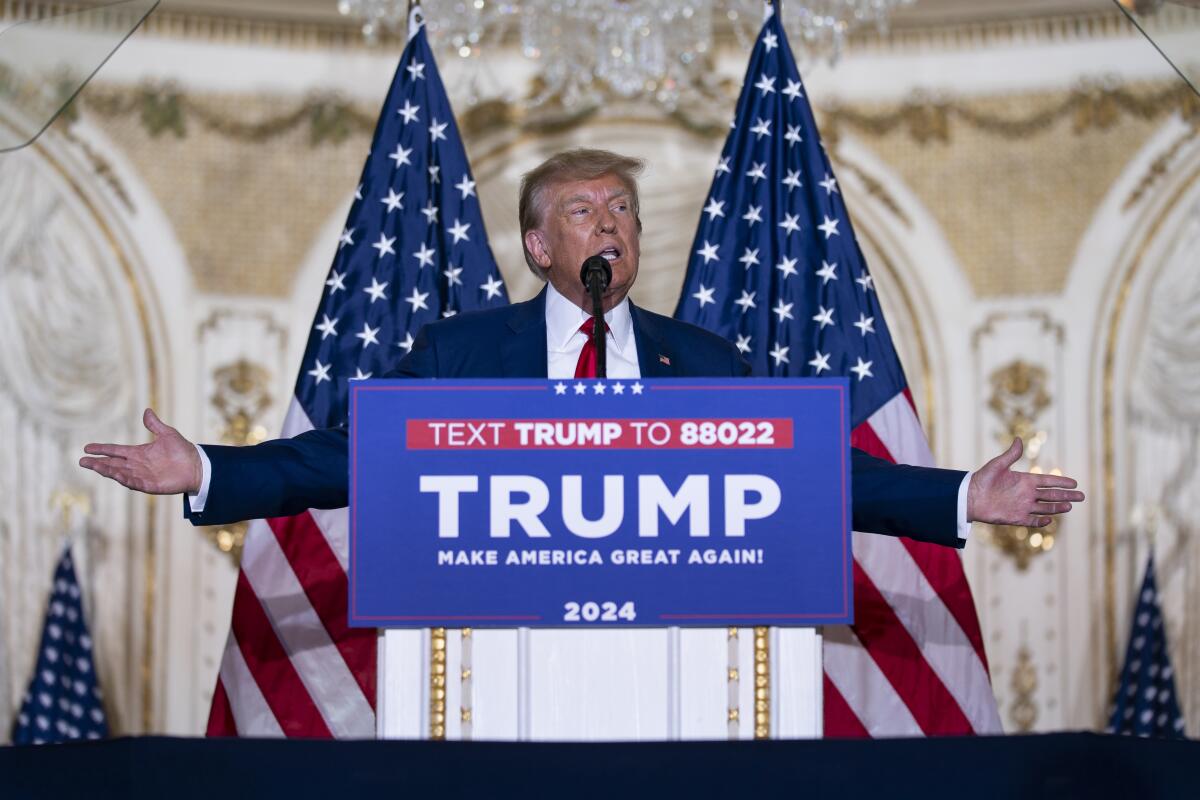
Speaking from Mar-a-Lago, Trump said the United States builds the world’s most advanced military equipment but fails to produce it quickly enough. He pledged to personally engage with top defense contractors to accelerate production of what the Navy is calling the “Trump-class” battleships.
Yet defense analysts warn that the plan faces enormous technical, financial, and industrial hurdles — some of which have already derailed previous naval programs.
⚔️ The Vision: Bigger, Faster, Deadlier
According to a US Navy fact sheet, the Trump class would be the largest surface combatants built by the United States since World War II, stretching up to 880 feet in length and displacing as much as 40,000 tons.
That would make them significantly larger than today’s Zumwalt-class destroyer, currently the Navy’s biggest surface warship.
The ships are envisioned as floating arsenals:
- Hypersonic, nuclear-capable cruise missiles launched from onboard cells
- 128 vertical launch systems for Tomahawks, anti-ship missiles, and interceptors
- Rail guns, five-inch naval guns, lasers, and advanced defensive systems
Trump has claimed the vessels would be “100 times more powerful” than World War II-era battleships such as the legendary USS Missouri.
🏗️ The Reality Check: Building Them
While the vision is bold, the execution remains unclear. The administration has provided no timeline for design, construction, or delivery of the first ships.
That uncertainty comes as US naval shipbuilding struggles with delays and cost overruns. Navy Secretary John Phelan previously told lawmakers that nearly every major shipbuilding program is late and over budget, with even the best-performing projects lagging months behind schedule.
Recent examples include:
- The USS John F. Kennedy, now roughly two years behind schedule
- The canceled Constellation-class frigate program, which fell years behind before being scrapped
Analysts say US shipyards are already stretched thin and lack the dock space and skilled workforce needed to construct ships of this size.
“We simply don’t have the maritime industrial capacity to do this quickly,” said Carl Schuster, a former US Navy captain.
👷 Workforce and Cost Pressures
Beyond physical infrastructure, manpower is a major concern. Building Trump-class ships would require a massive expansion of skilled labor — from welders to systems engineers — at a time when shipyards struggle to compete with private-sector wages.
Cost is another looming obstacle. While an Arleigh Burke-class destroyer costs roughly $2 billion, estimates suggest a Trump-class battleship could reach $15 billion per ship, according to defense industry reporting.
🚢 Will the Navy Follow Through?
History has made experts cautious. The Zumwalt destroyer program was once planned for 32 ships but ended with just three. Littoral Combat Ships, built in large numbers, have faced reliability problems and early retirements.
Even the rail gun — a centerpiece of Trump’s proposed arsenal — was abandoned by the Navy in 2021 after technical challenges proved too great.
Some analysts argue that unless management reforms occur within Naval Sea Systems Command, the program risks repeating past failures.
🌏 The Bigger Strategic Question
Even if built, critics ask whether massive battleships make sense in a modern naval battlefield dominated by missiles, drones, and unmanned systems.
China’s military, the People’s Liberation Army, fields long-range missiles such as the DF-26 — dubbed the “carrier killer” — and has showcased advanced undersea drones capable of mining ports and disrupting naval movements.
Some strategists argue the future lies in smaller, dispersed vessels and unmanned platforms, rather than concentrating firepower on a handful of high-value ships.
🚀 A Moonshot Moment?
Supporters of the plan see echoes of historic US mobilizations — from World War II ship production to the Apollo program that put astronauts on the moon.
Trump himself praised South Korea’s Hanwha Ocean, which is investing heavily in US shipyard infrastructure, hinting that allied cooperation could play a role in reviving American naval manufacturing.
Whether the Trump-class becomes a transformational leap — or another cautionary tale — may ultimately depend on whether the US can rebuild the industrial muscle needed to turn bold concepts into steel and seawater reality.