
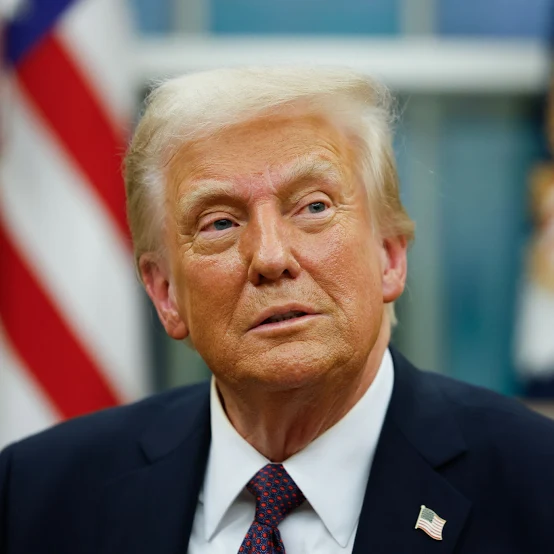
President Donald Trump on Tuesday issued the first vetoes of his second term, rejecting two bipartisan infrastructure-related bills that had cleared Congress with support from both parties.
In veto messages sent to Capitol Hill, Trump said the measures would unnecessarily burden taxpayers, arguing that his administration is focused on cutting what he described as costly and unreliable spending commitments.
“Enough is enough,” Trump wrote in his explanation for vetoing one of the bills. “My Administration is committed to preventing American taxpayers from funding expensive and unreliable policies. Restoring fiscal sanity is vital to economic growth and the fiscal health of the nation.”
What the Vetoed Bills Would Have Done
One of the blocked measures, H.R. 131, aimed to reduce payments required from certain communities in Colorado for the construction of a water pipeline intended to improve access to safe and reliable water.
The second bill, H.R. 504, sought to expand land held in trust for the Miccosukee Tribe in Florida and direct the Department of the Interior to work with the tribe to address flooding risks in the newly designated area.
Both bills had passed Congress with bipartisan backing, meaning lawmakers could attempt to override the vetoes with a two-thirds vote in both the House and Senate — a high bar that is rarely met.
Political Backlash in Colorado
Trump’s decision to veto H.R. 131 sparked sharp criticism from Colorado Democrats, who accused the president of using his veto power for political retaliation.
Sen. Michael Bennet wrote on X that the move was “not governing,” calling it a “revenge tour.” In a joint statement with Sen. John Hickenlooper, Bennet argued that the bill would have delivered safe water to rural communities without costing taxpayers money.
The dispute comes amid ongoing tensions between Trump and Colorado Gov. Jared Polis, including disagreements over the case of former county clerk Tina Peters, whom Trump recently pardoned at the federal level.
Republicans React
Rep. Lauren Boebert, a Trump ally who sponsored H.R. 131, said the fight was not finished, signaling that supporters may seek another path forward for the legislation.
The episode highlights early friction between the White House and Congress in Trump’s second term, even when legislation draws bipartisan support — and suggests the president is prepared to use his veto power aggressively to enforce his fiscal priorities.