
Every winter, flu returns — and every winter it kills thousands of people and stretches hospitals to their limits. But this season feels different. Headlines are screaming “superflu,” health officials are warning of unprecedented pressure, and many people are asking a serious question:
Has this flu finally broken the system?
Experts say the answer is more complicated — and far less dramatic — than the headlines suggest.
Why the Alarm Started So Early
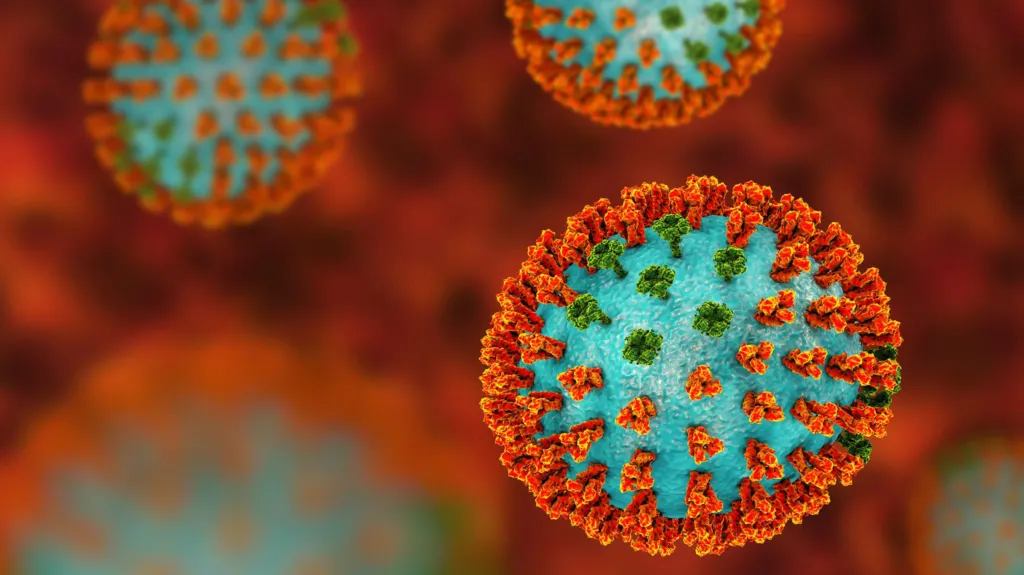
The panic began months before winter truly arrived. Scientists tracking global flu strains noticed multiple new mutations in a common influenza virus known as H3N2. The mutated version, later called subclade-K, spread quickly and became dominant.
At the same time, the flu season began earlier than usual, raising fears that:
- The virus might spread faster than normal
- The seasonal flu vaccine could be mismatched
- Hospitals could face extreme pressure
For a moment, the worst-case scenario seemed possible.
So… Is This a “Superflu”?
Despite the alarming language, experts say no.
Researchers at the University of Oxford analyzing the virus’s spread found that while the new strain has a slight advantage at slipping past immunity — about 5–10% more than usual — it has not shown dramatic changes in severity or transmission.
“It’s toward the upper end of normal, but it isn’t an outlier,” said Prof. Christophe Fraser, who studies pandemic spread patterns.
In other words, this flu is serious — but familiar.
What About Hospitals and the NHS?
Health officials acknowledge that hospitals are under strain — but experts say that strain is typical for winter, not evidence of system collapse.
Doctors report:
- No unusual symptoms
- No extreme increase in severity
- Vaccine performance similar to previous years
Even officials at the UK Health Security Agency say the overall impact on public health is broadly typical, despite the early start.
Why It Feels Worse Than It Is
Part of the fear comes from how the data was framed.
Comparisons were made between an early flu season and a late one, allowing claims that cases were “ten times higher.” Technically true — but misleading. It’s like saying a train arrived faster simply because it departed earlier.
The term “superflu” itself isn’t scientific, and leading virologists say it adds confusion rather than clarity.
“There’s no indication of exceptional severity or spread,” said Prof. Nicola Lewis of the Francis Crick Institute.
Are We Crying Wolf?
Public health experts are increasingly concerned about escalating language.
In recent years, the public has been warned about:
- A tripledemic
- Then a quademic
- Now a superflu
Psychologists warn that constant alarmism can backfire, making people numb to real warnings and less likely to trust future advice.
“There’s a risk of fear messaging doing more harm than good,” said Dr. Simon Williams of Swansea University.
The Bottom Line
This winter’s flu has not broken the system — but it also shouldn’t be ignored.
It’s a normal flu season at the higher end of intensity, amplified by early timing, dramatic headlines, and post-pandemic sensitivity. Vaccination still saves lives. Hospitals are strained, but functioning. And experts agree the facts don’t match the panic.
The truth is quieter than the headlines — but far more important.