
The partial release of long-awaited Jeffrey Epstein case documents has triggered a sharp divide among conservatives, with reactions swinging from praise to outright anger as questions grow over heavy redactions and political implications.
Supporters of the Trump administration initially highlighted the appearance of prominent Democrats — including former President Bill Clinton — in unredacted photographs contained in the files. Others, however, accused the Justice Department of shielding Republicans, including Donald Trump, through extensive redactions that obscured key details.
Deputy Attorney General Todd Blanche defended the document release, calling it an unprecedented act of transparency. In a six-page letter explaining the redaction process, Blanche claimed no administration in U.S. history had been more open about such a sensitive law-enforcement matter.
Despite that defense, criticism erupted almost immediately from within conservative ranks.
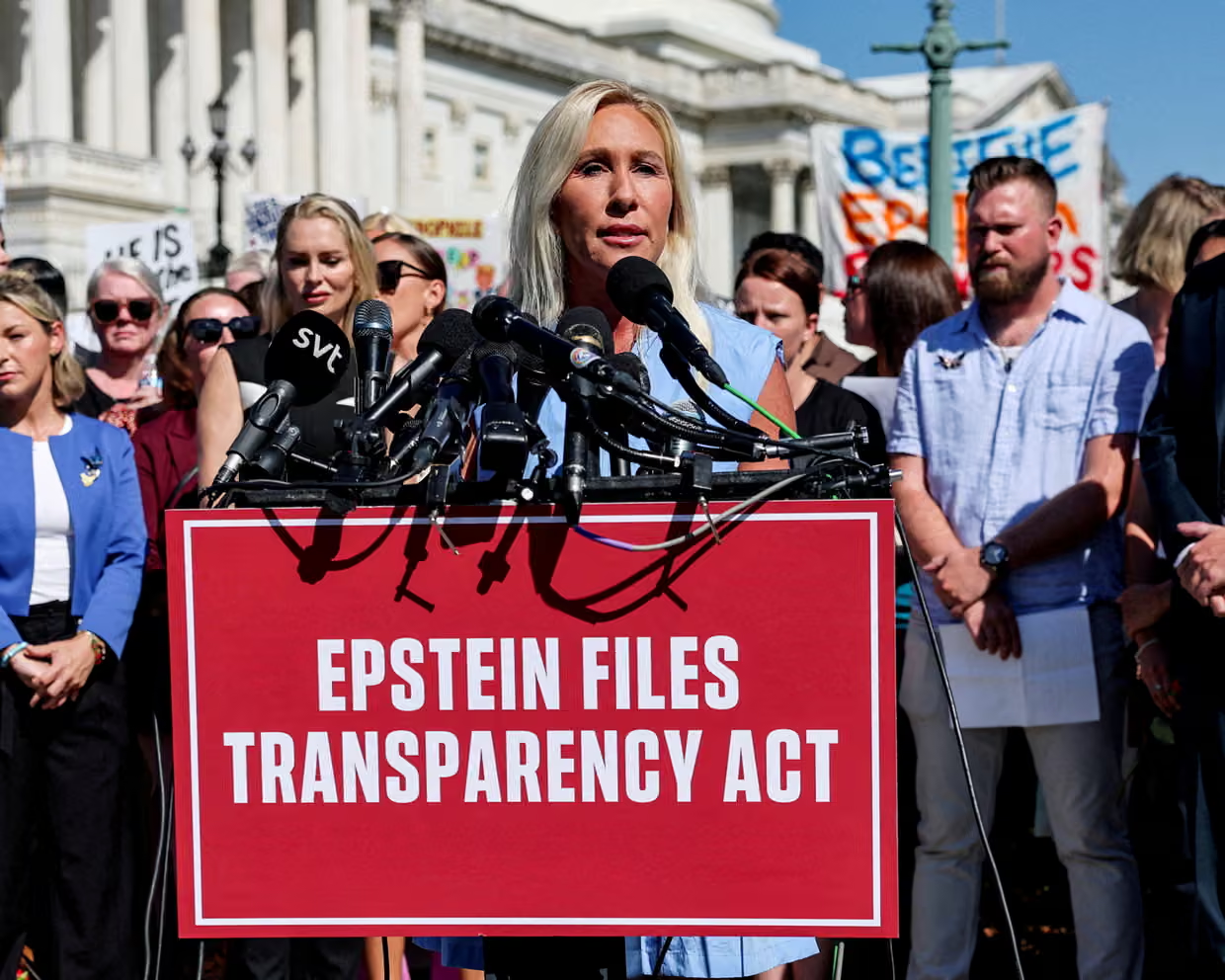
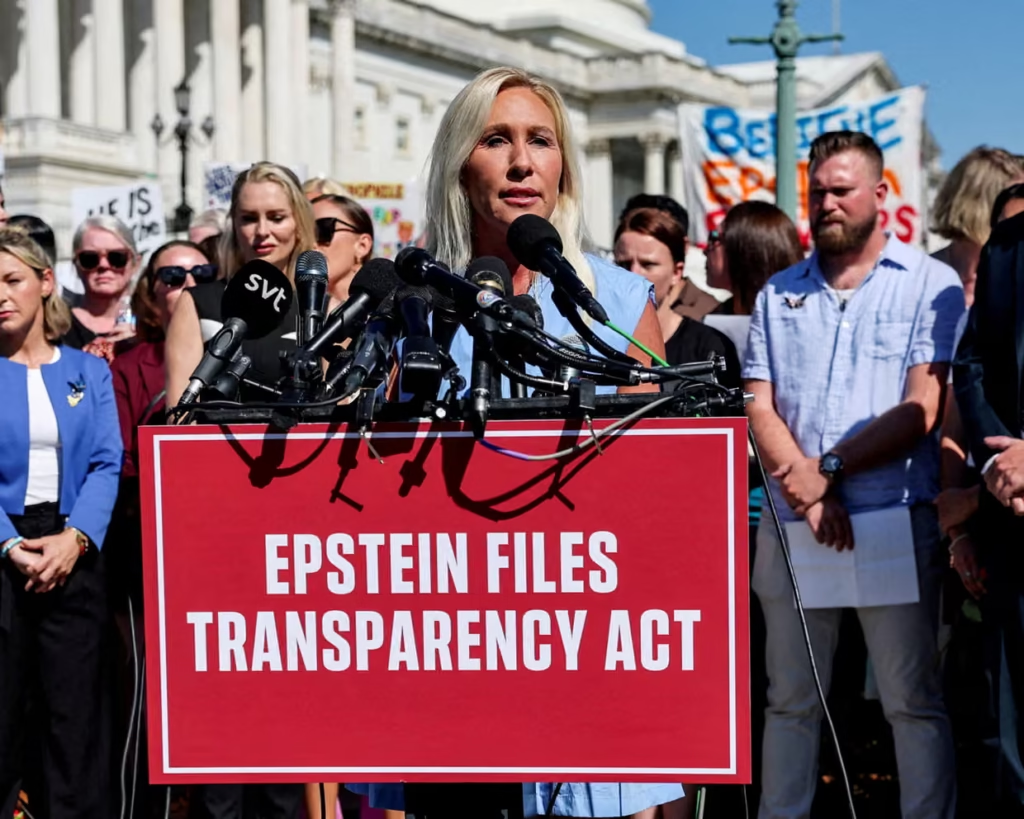
Georgia Rep. Marjorie Taylor Greene condemned the release as a betrayal of the MAGA movement, citing missed deadlines, heavy redactions, and the concealment of politically exposed individuals. “People are raging and walking away,” she wrote on social media.
Kentucky Rep. Thomas Massie went further, alleging the redactions violate federal law. He warned that future lawmakers could consider impeachment proceedings against Attorney General Pam Bondi, arguing the release failed to meet both the spirit and letter of legislation signed just weeks earlier.
Meanwhile, Trump loyalists and right-wing commentators rallied behind the administration. Many focused on unredacted images showing figures such as Bill Clinton, Michael Jackson, and Noam Chomsky, using the material to attack Democrats.
Conservative commentator Laura Loomer argued the files undermine past accusations aimed at Trump, while influencer Rogan O’Handley suggested the photos were evidence of blackmail — claims that Clinton’s representatives strongly rejected.
Clinton has repeatedly denied any wrongdoing and stated he had no knowledge of Epstein’s criminal activities. His spokesperson dismissed the release as a distraction, saying it was never about Clinton but about protecting those currently in power.
Despite weeks of intense demands for transparency, reaction on the right has been noticeably quieter since the documents were released — a stark contrast to the loud calls that preceded congressional action.
The episode has exposed growing fractures within conservative circles, leaving unanswered questions about what remains hidden behind blacked-out pages — and whether further disclosures could deepen the divide.