
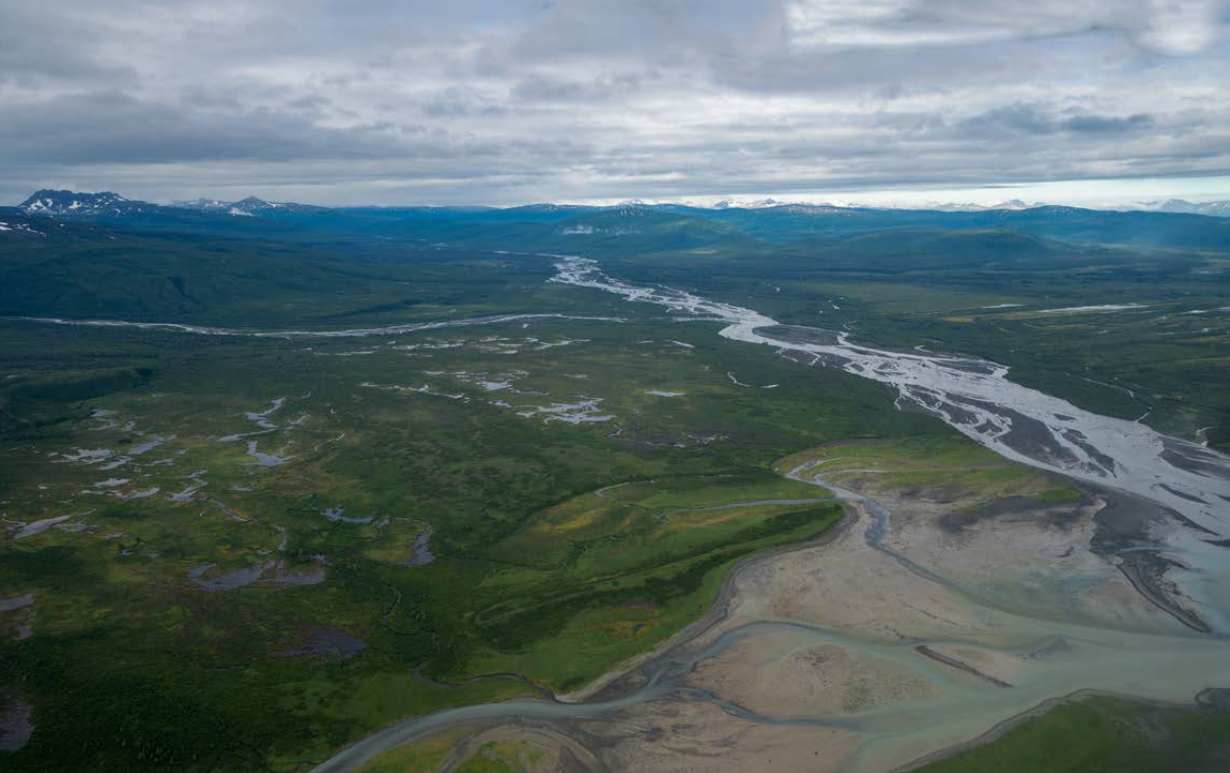
It was the final day of Alaska’s hunting season, and time was slipping away. With a storm closing in, a pilot flying a Cessna 206 landed on a gravel bar along the Porcupine River to recover fuel stored at a remote airstrip. To move quickly, she began loading 15-gallon fuel containers into the aircraft and asked two hunters nearby to help pour fuel into the wing tanks.
The stop lasted barely 12 minutes.
Moments after takeoff, the engine faltered. The aircraft rolled sharply, its right wing clipped the river’s surface, and the plane tumbled before coming to rest in the icy current. Rescue attempts were delayed by distance, terrain, and fast-moving water. By the time help arrived more than an hour later, the 28-year-old pilot had died.
What Investigators Found
A detailed inspection of the aircraft revealed no mechanical failure. Instead, investigators discovered significant water contamination in the fuel system—in places unreachable by river water after the crash. The conclusion was unavoidable: the water entered the aircraft during refueling.
Later, one of the smaller fuel containers used that day was examined. Inside eight gallons of avgas, inspectors found roughly a cup of water.
Because the aircraft had arrived without issue, investigators determined the contamination occurred during the rushed refueling on the sandbar. When the engine went to full power after takeoff, water reached the fuel lines, starving the engine and causing the power loss.
A System of Safeguards—Gone
What appeared to be a single error turned out to be a series of breakdowns.
The remote fuel cache had been set up months earlier using large metal drums. Fuel was transferred into smaller plastic containers using a battery-powered pump. Originally, the system included:
- A pump-mounted filter to trap debris
- A Mr. Funnel, designed to block water while allowing fuel through
Over time, the pump filter became clogged and was removed—never replaced. The water-filtering funnel was later lost and also never replaced. With both safeguards gone, nothing remained to prevent water from entering aircraft fuel tanks.
The Missed Final Check
The aircraft itself still had a last line of defense: fuel sump drains. However, this particular Cessna had a belly cargo pod that partially blocked access to one drain, requiring cargo to be shifted to reach it.
Colleagues later said the pilot often skipped draining that sump due to the inconvenience, despite repeated discussions within the company about the dangers of water-contaminated fuel. On this flight, witnesses said no fuel checks were performed before takeoff.
Because water is heavier than fuel, small amounts can remain hidden in wing tanks until power demand increases—exactly what happens during takeoff.
Company Policy, Ignored
Company rules reportedly required pilots to handle all refueling themselves at remote sites. But in the rush, the pilot delegated the task to the waiting hunters. They later said water contamination was never mentioned, and no post-refueling inspection was performed.
The Final Decision
The crash site revealed another critical factor. The gravel bar runway pointed directly toward a wide, shallow bank on the opposite shore. Investigators believe the fatal maneuver occurred when the pilot attempted to turn back after the engine lost power. The steep bank caused the wingtip to strike the water.
Had she continued straight ahead, she may have reached the far bank or executed a controlled ditching—possibly sacrificing the aircraft but surviving.
Lessons Written in Sequence
The National Transportation Safety Board ultimately cited inadequate preflight inspection as the primary cause, with the company’s failure to maintain fuel filtration as a contributing factor.
But the story is deeper than a checklist item. Filters removed and never replaced. Known risks discussed but tolerated. Safety steps skipped to save time. And finally, a split-second decision made under pressure.
Individually, none of these mistakes guaranteed disaster. Together, they formed a path with no margin left—one that ended in tragedy.